

Most people install insulation to improve comfort in their home. But did you know that you can also use insulation for soundproofing? If you live in a busy neighborhood, insulation is one of the best ways to make your home quieter and more relaxing.
How does insulation work for sound dampening, and where should you add it to make the most impact? We answer all of these questions below and discuss how your family could receive an insulation installation for up to 100% off using the Mass Save® program.
How Insulation Helps With Sound Reduction
Hearing loud traffic, neighbors, barking dogs, lawn mowers, and other noises inside your home can get very annoying. Adding or upgrading insulation is one of the most effective ways to reduce this.
Insulation mainly helps with sound absorption. All sound is an energy wave, and when it hits a thick barrier of insulation, the waves have to disperse through the material. When this happens, some of their energy is lost, and by the time the noise reaches your ears, it’s significantly lower than if there were no insulation at all. Without insulation, the walls of your home act like a “drum.” Walls vibrate, sound resonates, and it gets carried further.
If you insulate with spray foam, you can get the added benefit of air sealing. Gaps in your building structure offer a direct path for exterior sound to enter your home. Closing them up with spray foam will block the sound out.
Best Places to Add Insulation for Sound Deadening
When installing insulation, you should think about comfort and soundproofing simultaneously. There are a few key locations in the home where you can add insulation to get the most benefit.
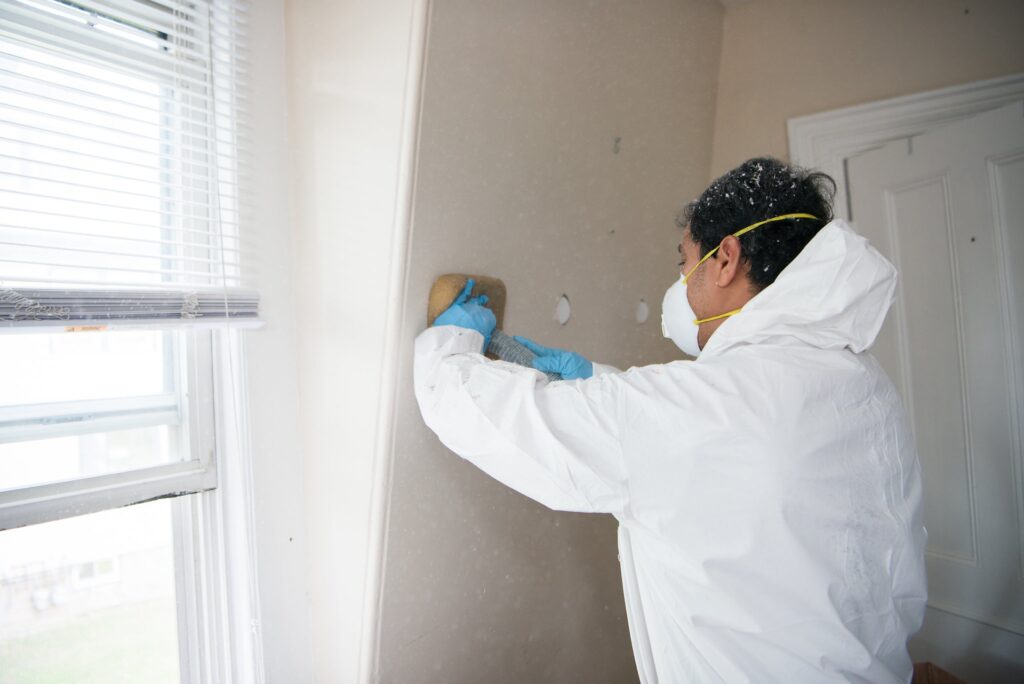
The exterior walls are where most sound enters the home. Your home already has some insulation here, but it may be insufficient or compressed. Adding soundproof insulation for wall cavities can improve sound absorption and create a thermal barrier between your home and the outdoors. This is most commonly done with blown-in insulation. Your insulation contractor will make a small hole in your drywall and “blow in” insulation into any dead space.
You can also consider adding attic insulation for sound reduction. This is useful if your home sits a little lower than others in your neighborhood, you live near an overpass, or you live somewhere with flight paths overhead. Attic insulation can also reduce noise from attic HVAC equipment or ductwork.
Additional Benefits of Insulation
Adding sound insulation to walls is great for noise reduction, but it’s often a secondary benefit. The main reason that most people upgrade is to improve their home’s overall energy efficiency and comfort. Studies have shown that 89% of single-family detached homes are underinsulated. In a more northern climate like Massachusetts, this is a serious concern for families. By improving insulation throughout the home, you’ll benefit from:
- Lower Energy Bills: Air sealing and insulating your home can help you save an average of 15% on heating and cooling costs.
- Improved Comfort: A well-sealed and insulated home is more comfortable to live in. Your climate-controlled air stays in the home for longer, creating more consistent temperatures.
- Reduced HVAC Wear: Your heating and cooling system runs harder when the home is poorly insulated. Adding insulation reduces runtimes and subsequent wear and tear.
Mass Save Rebates
One of the most appealing and beneficial parts of adding insulation to your Massachusetts home is the Mass Save program. If you live in a one to four-unit home and are a customer of a participating utility, you could receive 75% to 100% off air sealing and insulation upgrades.
The first step is to schedule a Home Energy Assessment with a Mass Save home assessment contractor. Neeeco is a proud Mass Save partner who can help. We provide comprehensive assessments to determine how your home would best benefit from insulation, and we can conduct the installation once you’re approved for rebates.