

Set aside two hours, have your energy bills handy, and keep your wallet closed – that’s really all you need for a no-cost Mass Save home energy assessment.
But knowing more about the process can be helpful. Although your certified technician will manage the assessment, answer questions and provide detailed guidance, some quick homework beforehand can make the assessment more productive.
Here’s a breakdown of what the technician will measure, what information they’ll ask you, and what specifics you’ll get from the experience.
What Does a Home Energy Assessment Involve?
Broadly speaking, this is your opportunity to learn more about your home’s unique energy requirements.
Your technician will come over with tools to analyze your home’s energy efficiency, find opportunities to save, provide up-to-date info on rebates and incentives for upgrades, and if needed, hand over some energy-saving devices (like power strips and aerator faucets) on the spot.
Different technicians have different routines for how they go about this, but here’s a typical list of components to the assessment:
Existing energy cost analysis
The technician may ask for previous energy bills – ideally, a year’s worth – so they can review your costs throughout the changing seasons. Their experience can help them identify fluctuations in energy use that point toward savings suggestions. Then, they’ll use that background information to guide their inspection of the house.
Visual inspection
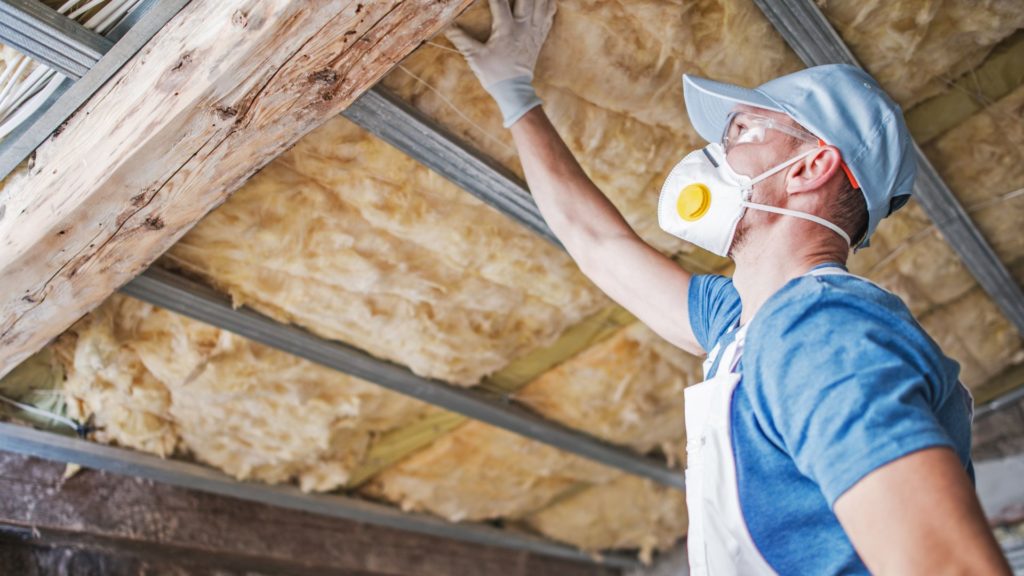
The technician will do a tour of your home, including a review of the exterior and a walkthrough of your interior, including basement, attic or storage areas.
They’ll look at heating and cooling systems, electrical panel and electrical systems, appliances and the building envelope to find drafty areas that could benefit from sealing and insulation. But their visual inspection may get more detailed with the help of high-tech equipment.
Thermographic scan
To help verify their visual inspections, the technician may use a thermographic scan. This is an infrared camera that measures heat differences – in other words, it provides a heat map – that can generate data on where air can flow too freely and create inefficiencies. For example, you could figure out what areas need insulation and air-sealing, whether your windows need updates, if your chimney is creating drafts, or other areas to pinpoint.
Combustion safety test
Technicians will also check to see if your fossil-fuel-emitting appliances are emitting unsafe levels of gas as part of the combustion process, and confirm that they are venting properly and are in good working order. This is especially important if you’re going to air seal or insulate your home, as that may trap gases inside. The combustion safety test may recommend shoring up your vents or improving your appliances to ensure that they can properly draft air, generate the right amount of gas pressure, and ventilate without spilling gas into the living space.
Immediate Updates to Lower Costs
In addition to the assessment and ideas for future savings, Mass Save technicians provide small equipment that can trim energy costs right away. These include:
- Water-saving faucets to replace high-flow faucets
- Smart power strips, which cut power to devices in standby mode. This prevents “vampire devices,” which consume energy even when they’re turned off
- Programmable thermostats that make it easier to control heat and cooling in your home, so you don’t waste energy
Although the core benefit of the energy assessment is to get a big-picture view of your home’s energy usage and opportunities, these smaller equipment updates are a benefit with quick payoff.
Clear Information and Ways to Take Action
After assessing your home’s appliances, heating and cooling systems, and the building itself, your technician will generate a unique report that identifies ways to make your home more efficient.
They’ll also provide advice and contacts for taking action on these recommendations. That includes information on rebates and incentives, suggestions for potential vendors or Neeeco experts who can complete the work, and non-vendor third parties that can provide expertise on particular upgrades. For example, many communities have a heat pump adviser who can come to your home and provide specific advice on switching to heat pumps.
Often, the assessment first encourages insulating and air-sealing homes that aren’t adequately sealed. This is a high-ROI upgrade, and if you’re eligible you could receive 75 percent to 100 percent off insulation improvements. There is no obligation to move forward with any recommendation – the goal is to provide you with knowledge and options so you can make the best choices.
Questions to Ask
If you want to do more preparation, check out the resources at Neeeco.com, which can help you learn more before assessment. Additionally, you can consider asking these questions when your technician comes over:
- Where are the biggest energy sinks in my house?
- Based on ROI, what should my priorities be for upgrades?
- What are the pros and cons for your specific recommendations?
- If insulation is a first step, what materials and techniques will be used?
- Who can I speak with for questions about this assessment in the future?
Call (781) 309-7540 or contact our team to sign up for an assessment, and ask for specifics on how to prepare. Our team is ready to help you take the first step toward a more comfortable, efficient home!