

Vermiculite insulation is a hazardous type of insulation found in many older homes throughout the United States. It normally contains asbestos, which is proven to be a dangerous, Group 1 carcinogen that harms humans.
If your home was constructed between the 1940s and 1990s, there’s a good chance you have vermiculite in your attic. Carefully removing it and replacing it with safer insulation is important for your family’s health. Keep reading to learn more about vermiculite insulation’s risks, how to identify it, and how to replace it with a safer option.
What Is Vermiculite Insulation?
Vermiculite insulation is a type of home insulation material made from a naturally occurring mineral called vermiculite, which is composed of small flakes or pebbles that closely resemble mica. When exposed to heat, vermiculite expands and becomes lightweight, making it an effective insulating material.
From the 1940s to the 1990s, vermiculite attic insulation was sold throughout the United States under the brand name Zonolite. The vermiculite used in Zonolite insulation was sourced from a mine in Libby, Montana. The Libby mine had large vermiculite deposits, but it also had asbestos deposits, which caused significant asbestos contamination in nearly all the vermiculite mined and sold in the United States. It was used to insulate millions of houses and, while it’s no longer produced, may still be present in as many as 35 million US homes and buildings.
The Dangers of Vermiculite Insulation
On its own, vermiculite is a safe material. But since most of the vermiculite insulation manufactured in the United States was exposed to asbestos, it’s dangerous to have in your home, and exposure can pose serious health risks.
Vermiculite insulation can release asbestos fibers into the air, especially when it is moved or disturbed in any way. These fibers can cause respiratory problems when inhaled. It’s unsafe to inhale any amount of asbestos, and significant or long-term exposure can lead to:
- Lung cancer
- Mesothelioma
- Asbestosis
What Does Vermiculite Look Like? How to Tell If Your Home Has It
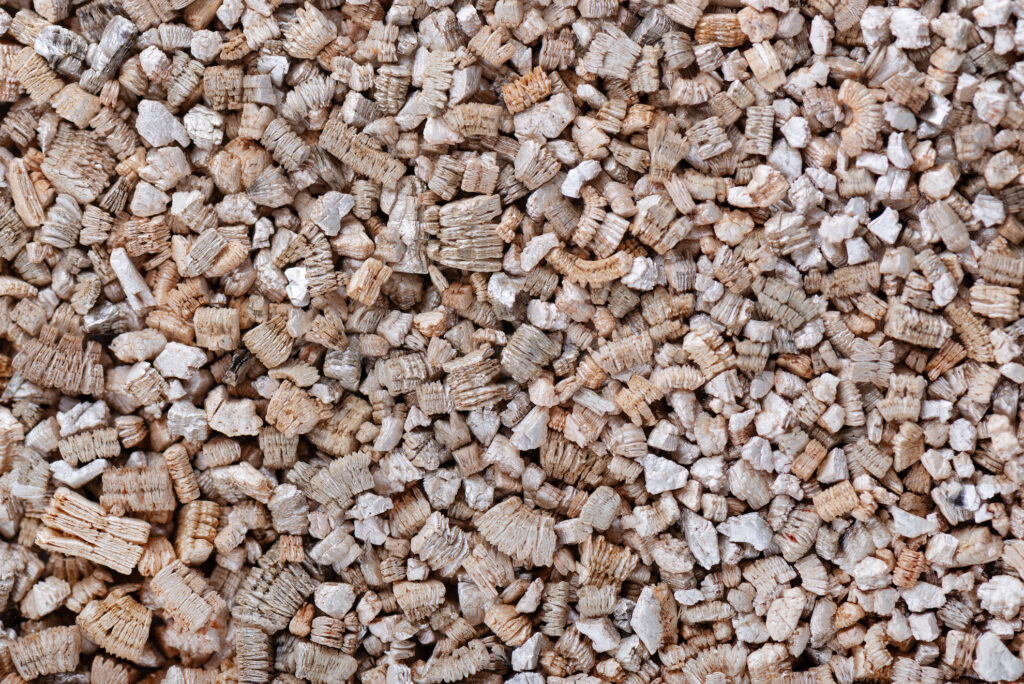
You’ll usually find vermiculite in the attic, installed between the ceiling joists. However, you can also sometimes find it in walls. It looks like loose, fluffy insulation, not insulation batts, boards, or spray. There are a few key visual traits that vermiculite insulation is known for:
- A pebble-like, granular, or flaky texture
- A shiny appearance
- A gray-brown or silver-gold color
If identified, do not touch or disturb vermiculite insulation. This can cause it to release asbestos fibers into the air, increasing your risk of exposure.
If you’re unsure whether you have vermiculite in your attic, schedule a no-cost Home Energy Assessment with Neeeco. We will inspect your insulation as part of your assessment, and if vermiculite, asbestos, or other harmful materials are present, we will help you find a qualified professional to remove the insulation.
What To Do If You Have Vermiculite Insulation
If you have vermiculite insulation in your attic, it’s important that a licensed asbestos abatement contractor removes it and safely disposes of the materials. If you live in Massachusetts, Neeeco can help you qualify for vermiculite insulation removal rebates, including:
- Up to $7,000 for moderate-income customers
- Up to $5,000 for renters in renter-occupied units in buildings with 2-4 units only
Once the vermiculite has been removed, it should be replaced with a safer alternative. Cellulose insulation is a popular option. It’s made from recycled wood fibers, so it’s healthy for your family and environmentally friendly.
Neeeco can provide your cellulose insulation upgrade. We also install other safe and effective insulation materials that will make your house healthier, more comfortable, and more energy efficient.
How to Save On Your Insulation Replacement
Whether you know you have vermiculite insulation in your house or just found out about it during a Home Energy Assessment, Neeeco can help you understand the risks and take the proper steps to remove hazardous insulation materials from your home. We’re Massachusetts’s leading energy efficiency expert with years of experience evaluating and improving local homes.
As a Mass Save contractor, we can help you save 75-100% on your upgrade with Mass Save insulation rebates. You may also qualify for no-cost air sealing and other incentives to improve your home. A no-cost Mass Save Home Energy Assessment is required to be eligible for these rebates! Schedule yours today.
*Some restrictions apply. Offers are subject to change or cancellation. Visit MassSave.com/HEA for full details.
Frequently Asked Questions
Is vermiculite insulation dangerous?
Yes, most vermiculite insulation found in homes is dangerous because it contains asbestos. Exposure can lead to respiratory problems, mesothelioma, and lung cancer.
Does all vermiculite insulation contain asbestos?
No, but the majority of it does. Over 70% of the vermiculite insulation sold in the United States between 1919 and 1990 came from a mine that also had asbestos.
How to tell if vermiculite contains asbestos?
The only official way to determine if your vermiculite insulation has asbestos is a laboratory analysis. But if your home was constructed between 1940 and 1990 and has vermiculite, it’s safe to assume it has asbestos.
Should vermiculite insulation be removed?
Yes, vermiculite insulation should be removed so it does not negatively affect your family’s health. This should only be done by a licensed asbestos abatement professional.
Is vermiculite the same as asbestos?
No, they are separate materials, but vermiculite insulation is often contaminated with asbestos.
What year did they stop using vermiculite insulation?
The mine that produced most of the asbestos-containing vermiculite shut down in 1990.
What homes are most likely to have vermiculite?
Older homes constructed between 1940 and 1990.
Can you live in a home with vermiculite?
It’s not recommended to live in a home with vermiculite. If it ever breaks down or moves, it can release harmful asbestos shards into your home’s air.